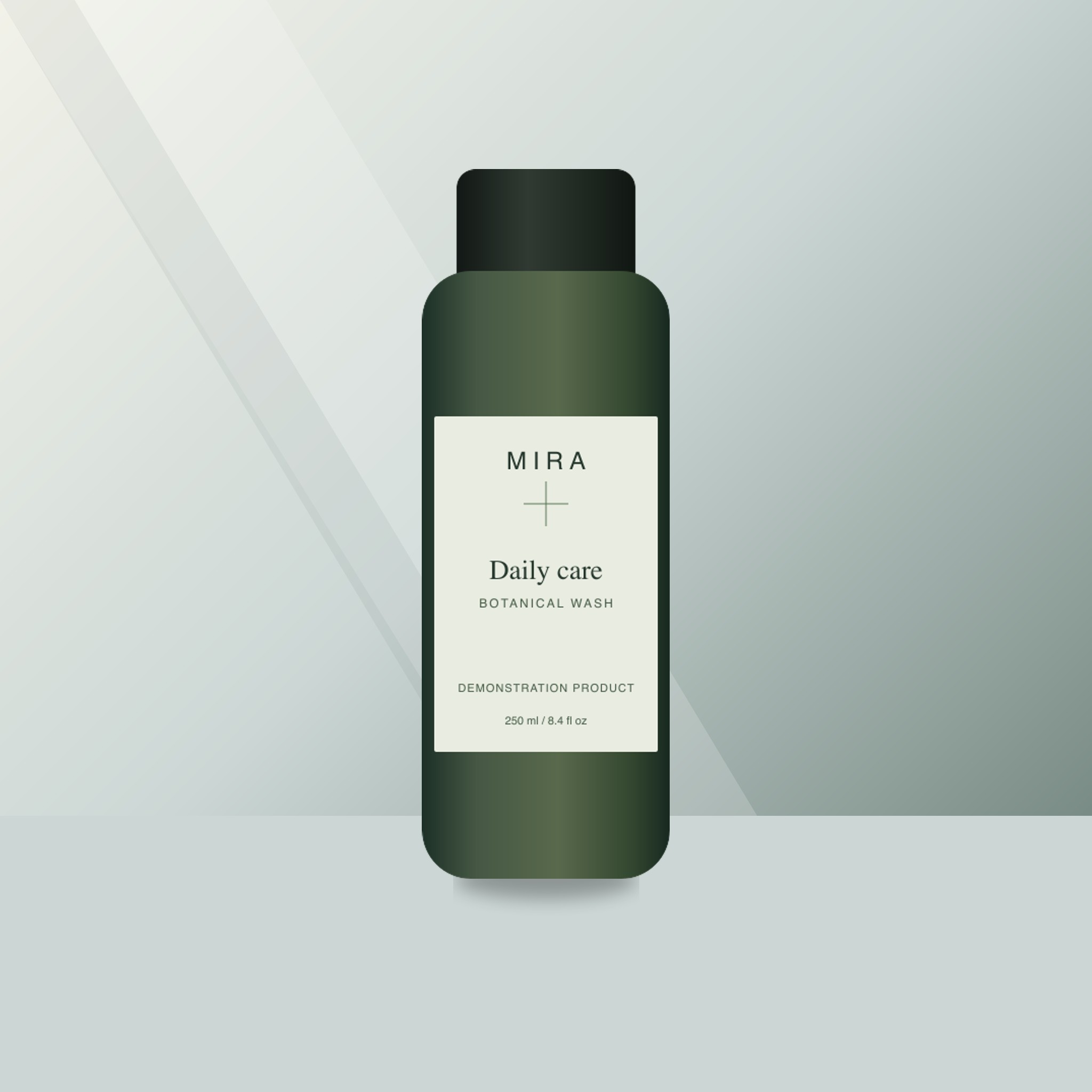
Amazon's product image standards are among the strictest in global e-commerce. Non-compliant listing images can lead to search suppression, degraded organic ranking, or sudden ASIN deactivation.
While Amazon's Seller Central documentation outlines basic guidelines, third-party sellers often struggle with exact execution details—such as true RGB 255 pure white backgrounds, 85% framing rules, and permissible secondary lifestyle graphics.
This guide provides a definitive 2026 checklist to guarantee full compliance while maximizing listing click-through and conversion rates.
1. Amazon Main Image (Hero) Requirements: The Must-Follow Rules
Your primary image (the "Hero" shot appearing in search results) has non-negotiable technical requirements:
| Requirement | Official Amazon Standard | Why It Matters |
|---|---|---|
| Background Color | Pure White (RGB: 255, 255, 255 / #FFFFFF) | Seamless blending with Amazon's white search results page. Light gray or off-white triggers automated suppression. |
| Frame Coverage | Product must occupy at least 85% of the frame | Ensures products look substantial and clear on mobile screens. |
| Product Representation | The exact item for sale, outside packaging or inside clear packaging | No drawings, illustrations, mockups, or placeholder 3D renders. |
| Prohibited Elements | No borders, text, watermarks, seller logos, promotional badges, or unrelated accessories | Any "100% Quality", "Sale", or guarantee badge will cause instant image rejection. |
| Visible Angles | Entire product must be within the frame | Do not crop out edges, handles, or tops of the item. |
2. Secondary Images (Slots 2–9): Creative Freedom and Rules
While Slot 1 (Main Image) is clinical and strict, Slots 2 through 9 are where conversion actually happens. Here, Amazon permits full-color lifestyle backgrounds, infographics, and contextual graphics:
- Lifestyle In-Context Imagery: Show the product in its real-world environment (e.g., a stainless steel water bottle in a gym or on a wooden desk). Demonstrates actual scale and everyday utility.
- Dimension and Scale Graphics: Clearly mark height, width, and volume using measurement arrows next to relatable benchmark items.
- Feature Callout Infographics: Highlight key differentiators (e.g., BPA-free plastic, vacuum insulation, organic ingredients).
- Packaging and Unboxing: Show premium retail packaging, especially if the product is frequently purchased as a gift.
3. Technical File Specifications for 2026
To prevent image compression artifacts and enable Amazon's high-resolution hover-zoom feature:
- Pixel Dimensions: Recommended 2,000 x 2,000 pixels (minimum 1,600 x 1,600 px for smooth desktop hover-zoom; absolute minimum allowed is 500 x 500 px).
- Aspect Ratio: 1:1 Square. Non-square images will be padded with artificial white borders, reducing thumbnail impact on mobile.
- Accepted File Formats: JPEG (
.jpgor.jpeg), TIFF (.tif), PNG (.png), or non-animated GIF. JPEG in sRGB color space is universally recommended for the fastest load times and true color fidelity. - File Weight: Keep file sizes under 10 MB per image.
4. The 5 Most Common Image Suppression Triggers
- The Off-White Background Trap: A background that looks white to the naked eye (e.g., RGB 250, 252, 251) is detected as non-white by Amazon's computer vision algorithm.
- Excessive Empty Margins: Leaving your product small in the center (occupying under 85% of image canvas) hurts mobile visibility and triggers algorithmic warnings.
- Showing Accessories Not Included: If you sell a laptop sleeve, do not photograph an expensive laptop inside it unless clearly labeled as a prop in secondary slots.
- Watermarks and Seller Badges: Never add your brand store URL or satisfaction seals to the main image.
- Blurry Brand Labels: Low-resolution photos where brand names or barcodes appear pixelated reduce buyer trust and hurt review velocity.
5. Preparing Amazon-Ready Photos with Shotmira
Shotmira was designed specifically to eliminate manual friction around e-commerce photo standards:
- Guaranteed Pure White Backgrounds: Export pure
#FFFFFFbackgrounds that blend seamlessly with Amazon's desktop and mobile catalog. - Automatic 85% Frame Centering: Bounding box helpers ensure your product fills the optimal 85%+ visual area without risky edge cropping.
- Original Product Preservation: Your authentic product photo, label typography, and textures remain unmanipulated—preventing false advertising claims.
- Connected Lifestyle Generations: Turn your single approved product cutout into realistic secondary lifestyle shots (kitchen, desk, outdoor) without organizing new photoshoots.
Keep this checklist handy for every new product launch to ensure your catalog stays active, compliant, and optimized for sales.
Read more
Amazon Product Photo Size & Dimension Guide (2026): Exact Pixels, Ratios & Zoom Standards
Everything you need to know about Amazon product photo sizes in 2026. Discover optimal resolutions for hover zoom (2000x2000px), 1:1 aspect ratios, file formats, and mobile display rules.
Etsy Product Photography: How to Create High-Converting Listing Images on a Budget
Master Etsy product photography with simple setups. Learn how to take warm, captivating lifestyle photos that showcase craftsmanship and drive shop conversions.
Food Product Photography: The Definitive Guide for Packaged Foods
Master food product photography for packaged snacks, beverages, and pantry items. Discover camera angles, lighting setups, label fidelity rules, and AI scene generation.